
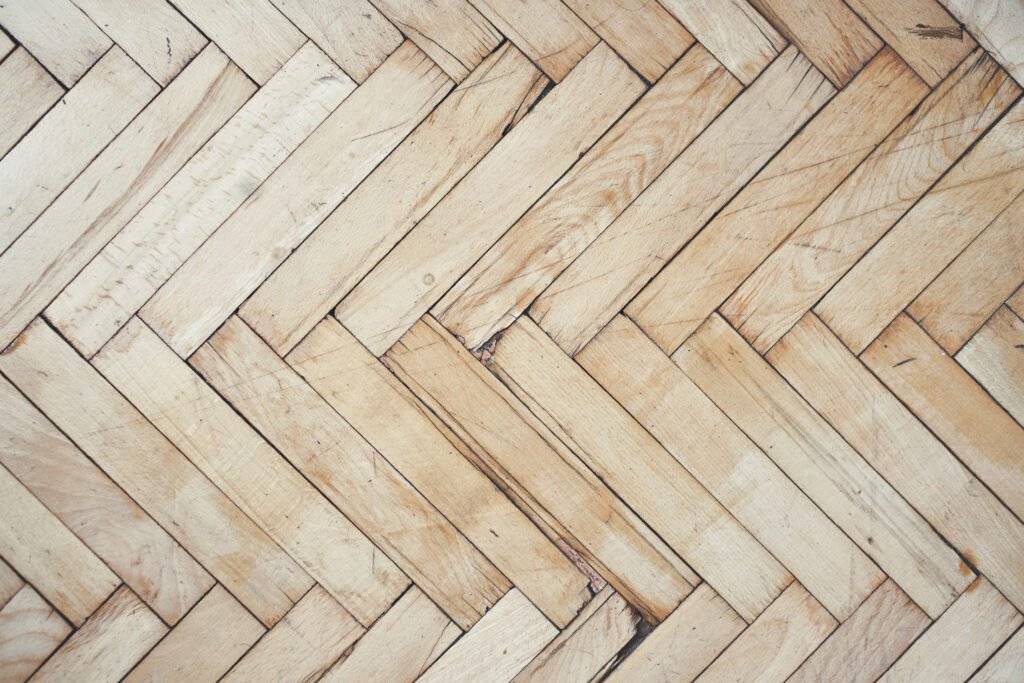
Is Herringbone Flooring Still in Style in 2026? Yes — and Here’s Why It’s Not Going Anywhere
Herringbone flooring isn’t a “trend that popped up on Instagram.” It’s a classic layout that’s been used for centuries — and in 2026 it’s still one of the most requested patterns for homeowners who want their space to feel more custom, more upscale, and less cookie-cutter.
Design and flooring publications that publish 2026 trend roundups consistently list patterned floors (including herringbone) as a continuing direction, especially in entryways, kitchens, and statement areas.
So if you’re considering it, you’re not late — you’re right on time.
Why herringbone keeps coming back (even when styles change)
Minimalism had a long run. Now, homeowners are leaning into more character, texture, and craftsmanship — without making a home feel “busy.” Herringbone hits that sweet spot: it adds movement and detail, but it still reads as timeless because it’s based on symmetry and repetition.
That’s also why herringbone works across different design styles:
- Modern, clean interiors (matte, light oak, simple baseboards)
- Transitional homes (warm tones, soft neutrals)
- Classic or European-inspired spaces (parquet vibes, detailed trim)
In other words: herringbone doesn’t depend on one color trend. It depends on layout — and layout ages better than “the color of the year.”
Where herringbone looks best in 2026
In 2026, the most popular use isn’t necessarily “everywhere in the house.” The strongest look is usually strategic — placing herringbone where it makes an impact.
You’ll see it most in:
Entryways and hallways (first impression, high style payoff)
Kitchens (especially to elevate a “simple cabinet” kitchen with a high-end floor)
Powder rooms / bathrooms (often as herringbone tile for a clean statement)
Dining rooms or a feature zone in an open-concept layout (to visually “frame” an area)
If you do want it throughout larger spaces, it can look amazing — but it needs proper planning so the pattern flows cleanly through doorways and transitions.
Hardwood, engineered wood, vinyl, or tile: what’s the most “2026-proof” choice?
You can get the herringbone look in multiple materials, and each has its place:
1) Engineered wood herringbone
This is a top 2026 option because engineered wood offers a premium look with better stability than traditional solid hardwood in many real-life conditions.
2) Solid hardwood herringbone
Beautiful, classic, and refinishable — but it requires the right conditions and correct installation to prevent movement issues over time.
3) Herringbone LVP (luxury vinyl plank)
A smart choice when you want the herringbone style with easier maintenance and strong durability. Some 2026 trend roundups specifically mention chevron/herringbone looks in LVP as part of the pattern-forward direction.
4) Herringbone tile
Perfect for bathrooms, mudrooms, and areas where you want water-friendly performance and a bold visual.
The honest part: herringbone is harder to install (and that’s why it looks expensive)
Herringbone usually costs more to install than straight plank. Not because contractors are “charging extra for fun,” but because:
- Layout is more complex (the pattern must stay square)
- Cutting and waste are higher
- Small errors stand out immediately
- Subfloor flatness matters more (especially for click systems)
Even design articles that promote herringbone as a 2026 trend often mention it as a more advanced install where professional craftsmanship matters.
How to make herringbone look timeless (not trendy)
If you want your floor to still look great years from now, these choices age the best:
- Go matte or low-sheen (more natural, hides scratches better)
- Choose warm or natural tones (not overly gray or overly orange)
- Keep plank size balanced (tiny planks can feel busy; oversized can look awkward depending on the room)
- Use clean transitions and trim (details make the pattern feel intentional)
- Consider a border only if it fits the style (borders can be stunning, but they’re more “classic formal”)
Maintenance: is herringbone harder to live with?
Not really. The pattern doesn’t make it “fragile.” Maintenance depends on the material. A good vacuum, proper pads under furniture, and quick cleanup of spills goes a long way.
The biggest long-term factor is still the same: installation quality + subfloor prep. A beautiful pattern won’t stay beautiful if the base isn’t right.
Final take
Yes — herringbone is still in style in 2026, and it’s popular for a good reason: it adds craftsmanship, movement, and a high-end feel that straight plank can’t match.
If you’re thinking about herringbone, the best next step is to choose the right material for the room and plan the layout correctly from day one. That’s how you get the “wow” factor and the long-term performance.