
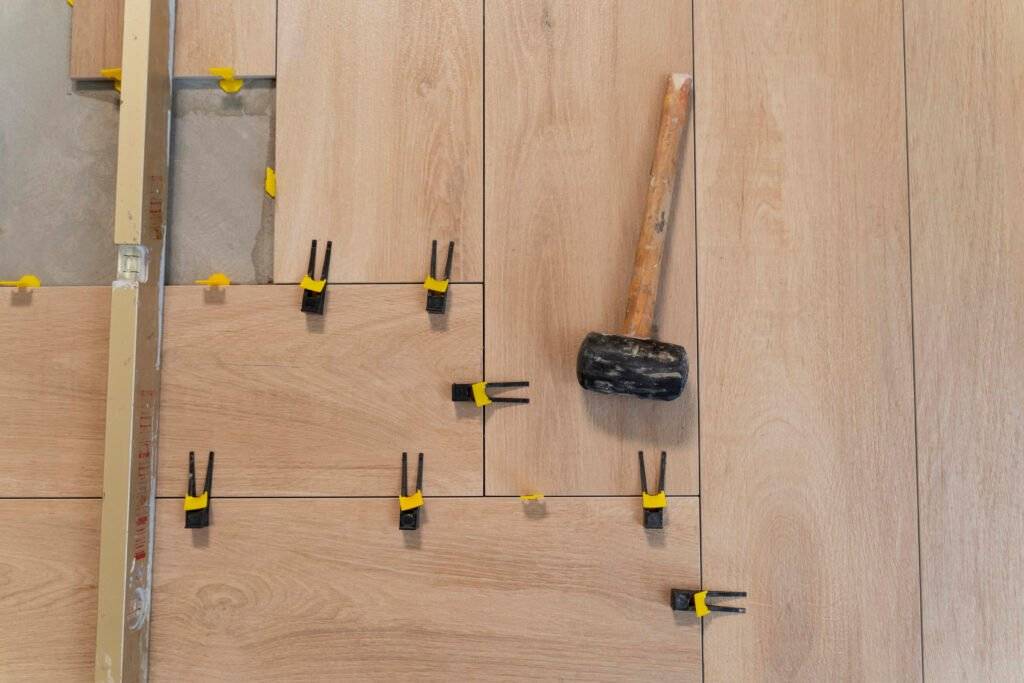
Choosing new flooring is one of the fastest ways to change the feel of a home. The right floor makes a space look cleaner, brighter, and more expensive — even without a full remodel. But flooring is also one of the easiest projects to get wrong. Many problems homeowners deal with later (gaps, squeaks, swelling, soft spots, peeling edges, or uneven transitions) don’t come from a “bad product.” They come from installing the right product the wrong way — or installing the wrong product in the wrong room.
If you’re planning a flooring upgrade and want it to last, here’s a simple, practical guide to help you choose the best option for your home and avoid the most common mistakes.
Start With the Room, Not the Material
Most people begin by shopping colors. We recommend starting with the room itself.
Ask these questions first:
- Is this space exposed to water or humidity (kitchen, entryway, basement, laundry, bathroom)?
- Is there heavy traffic, pets, or kids?
- Is the subfloor concrete or wood?
- Do you need the floor to be quiet (bedrooms, upstairs)?
- Do you have height limits for doors, appliances, or transitions?
Once you know what the room demands, choosing a material becomes much easier.
Vinyl Plank: The Best Everyday Workhorse
Luxury vinyl plank (LVP) is one of the most popular floors today — and for good reason. It’s tough, easy to clean, and handles daily life better than most options. Many homeowners choose vinyl plank because it’s a smart balance of looks, durability, and water resistance.
Where vinyl plank shines:
- Busy living areas, hallways, and open layouts
- Homes with pets
- Basements and slab foundations (when installed correctly)
- Rental properties and long-term value upgrades
The key with vinyl plank isn’t just the brand — it’s the prep. A floating floor only performs well when the subfloor is flat and stable. If there are dips, high spots, or soft areas, planks can separate, feel hollow, or wear prematurely. A professional installation focuses on what you don’t see: leveling, moisture control, and clean transitions.
Laminate: Great Look, But Moisture Matters
Modern laminate can look extremely realistic and can be a strong “value-for-money” choice for dry areas. It’s often more scratch-resistant than people expect and can be a good fit for bedrooms, offices, and low-moisture living spaces.
Where laminate works well:
- Bedrooms and upstairs areas
- Living rooms with normal traffic
- Home offices
Where laminate often disappoints:
- Bathrooms, laundry rooms, and entryways exposed to wet shoes
- Any space with repeated water exposure
Laminate’s biggest weakness is water. Even “water-resistant” laminate has limits. If moisture gets into seams and sits there, you may see swelling at edges or lifting over time. If you’re unsure, it’s better to choose a material designed for moisture — or at least install laminate with a plan for protection (mats, proper transitions, and correct underlayment).
Hardwood: Timeless, But Needs the Right Conditions
Hardwood flooring adds warmth and real long-term value. It can also be refinished, which is a big advantage over floating floors. But hardwood isn’t the best fit for every home — especially if moisture is an issue.
Hardwood is ideal for:
- Main living areas where you want a premium finish
- Homes where long-term resale value is a priority
- Projects where refinishing later is part of the plan
Hardwood can be risky in:
- Basements and slab-on-grade homes without proper moisture control
- Homes with large seasonal humidity swings (without preparation)
- Areas exposed to frequent spills or wet shoes
A professional installer will look at your subfloor, moisture risk, and layout before recommending hardwood. Done right, it can last decades. Done wrong, it can cup, gap, or shift — and that’s not something you want to learn after installation.
The Real Difference Is the Installation (Not the Sales Pitch)
People often ask: “Is it cheaper to install flooring myself?” Sometimes, yes — on paper. But the real cost comes from what happens when something goes wrong.
Here are the most common DIY issues we get called to fix:
- Uneven floors because the subfloor wasn’t leveled
- Loose or noisy spots from skipped fastening or prep
- Bad transitions that create trip hazards or ugly gaps
- Moisture problems that cause swelling, mold risk, or failure
- Damage around cabinets and appliances from incorrect planning
Professional installation isn’t just labor — it’s problem prevention. It’s knowing when a floor needs leveling, when a moisture barrier is required, how to handle door clearances, and how to create transitions that look clean and stay secure.
When Repairs Are Possible (and When They’re Not)
Not every damaged floor needs full replacement. Many issues can be repaired if they’re caught early — especially with hardwood or certain vinyl situations. Small water damage, scratches, lifted edges, or localized damage can often be addressed without tearing out everything.
What matters is the cause. If the issue is a bad subfloor, moisture coming from below, or repeated water exposure, the repair must solve the root problem — not just hide the symptom.
Final Advice: Choose Flooring Like a Long-Term Upgrade
The best flooring choice is the one that matches your home and your lifestyle — and is installed correctly. If you want a floor that looks great for years, focus less on “what’s cheapest” and more on what’s dependable.
If you’d like help choosing between hardwood, vinyl plank, or laminate, we can take a look at your space, talk through your goals, and recommend the best option for durability, comfort, and long-term value — with clear expectations and professional workmanship from start to finish.